











Oros

You are here :
Votre barre d'outils Reduce font sizeIncrease font sizeIncrease contrast inverting colorsThe current format is the default one Send this page to friend

Torsional Vibration Measurement

Overview

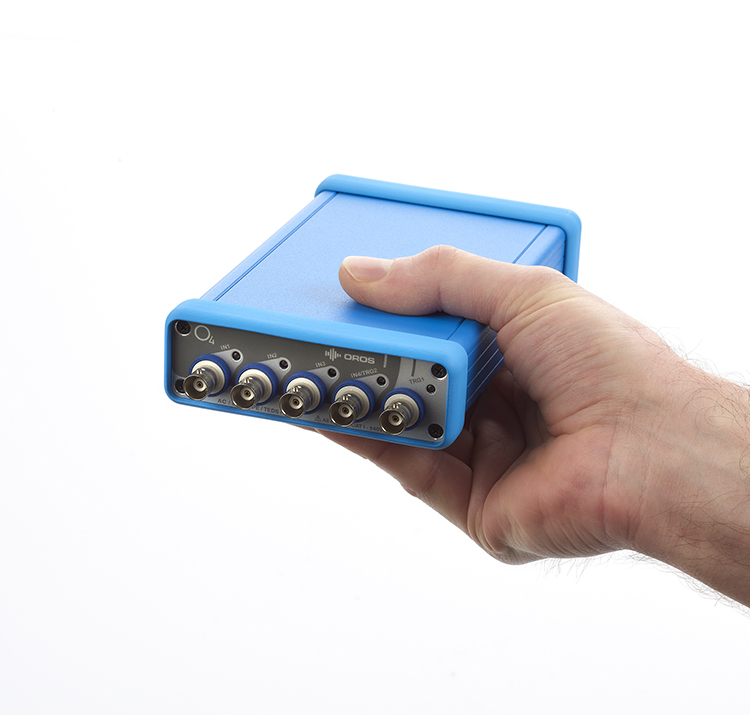
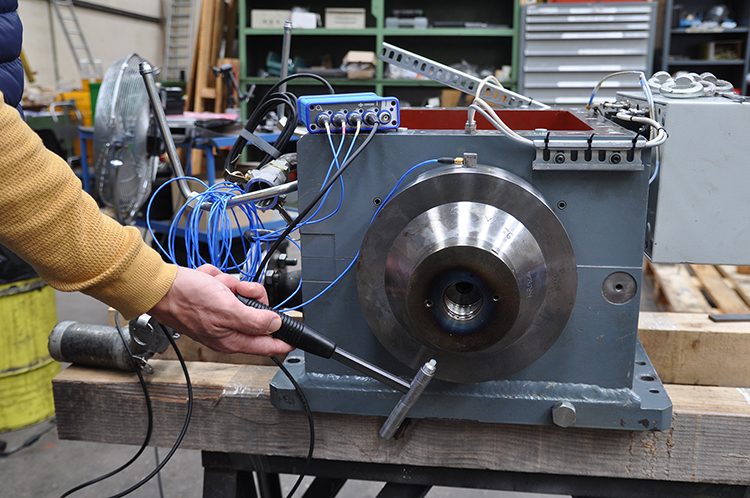
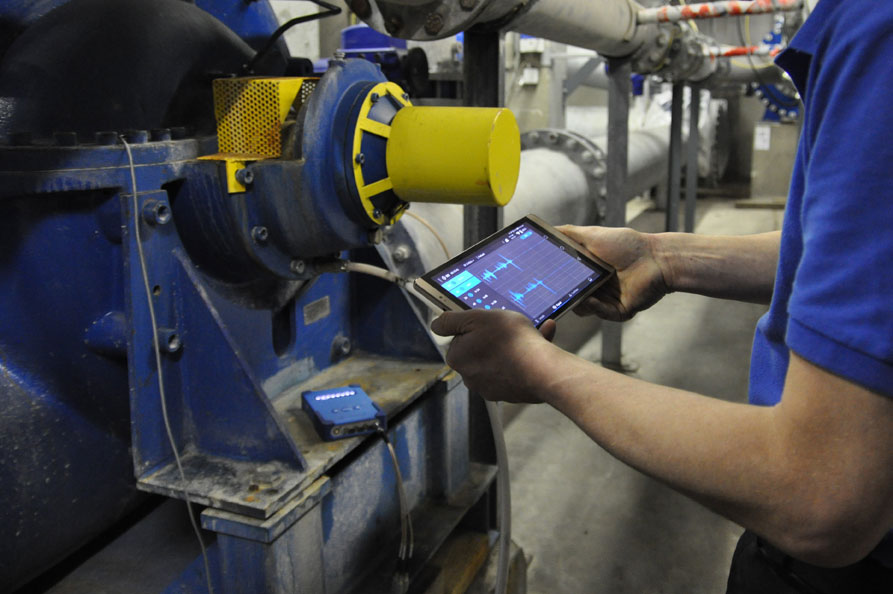
A source of vibration of rotating machinery comes from the instantaneous angular velocity variation of the rotating parts, called torsional vibrations. This widespread phenomenon appears on reciprocating machinery (diesel engines, pumps, compressors), air/water propellers, wind turbines and their transmission. Such vibrations have to be checked for test, validation and diagnostics. OROS, as a specialist of dynamic measurement on rotating machinery, offers torsional vibration measurement as an integrated in the 3-Series analyzers range.

Main Features

  1. No additional hardware to the standard 3-Series analyzers
  2. Up to 6 torsional inputs per analyzer
  3. Up to 1,024 pls/rev and 30,000 RPM (with a 5° resolution)
  4. High accuracy with 6.4 MHz over-sampling
  5. Record and analyze synchronously with standard AC/DC/ICP inputs
  6. Real-time and post-processing
  7. Torsional vibrations export (UFF, MAT, txt, SDF, wav, etc..)
  8. Spectral, order, time domain, overall, waterfall analyses of the torsional channels
  9. Missing pulses management
  10. Angle, angular velocity and angular acceleration with integration and differentiation filters


Integrated frequency to voltage converters

The 3-Series analyzers integrate the frequency to voltage converters based on the existing external synch. inputs, used for the measurement of torsional vibration. The Instantaneous angular Velocity Converter software option converts it in an instantaneous angular velocity signal available for the analysis plug-ins. With NVGate, the software platform for OROS 3-Series analyzers, the analyses can be real-time and/or post-processed.
The instantaneous angular velocity can be converted to angular position or to angular acceleration using the digital integration and differentiation filters. The obtained angular signal is processed as any other input (or recorded track) of the analyzer. The typical analysis modes are FFT, the order tracking, time domain analysis and waterfall/color spectrogram.

Shaft View and Cross Phase Tracking

Some special features are available for the analysis of this angular signal:

  • The shaft view shows the instantaneous angular signal along one or multiple revolution.
  • The cross-phase tracking extracts the cross-phase order by order between one reference channel and all the others. It is useful for the identification of torsional resonances at specific orders and the evaluation of their amplitudes.


Application-oriented for your Efficiency

  • Marine propulsion certification and maintenance
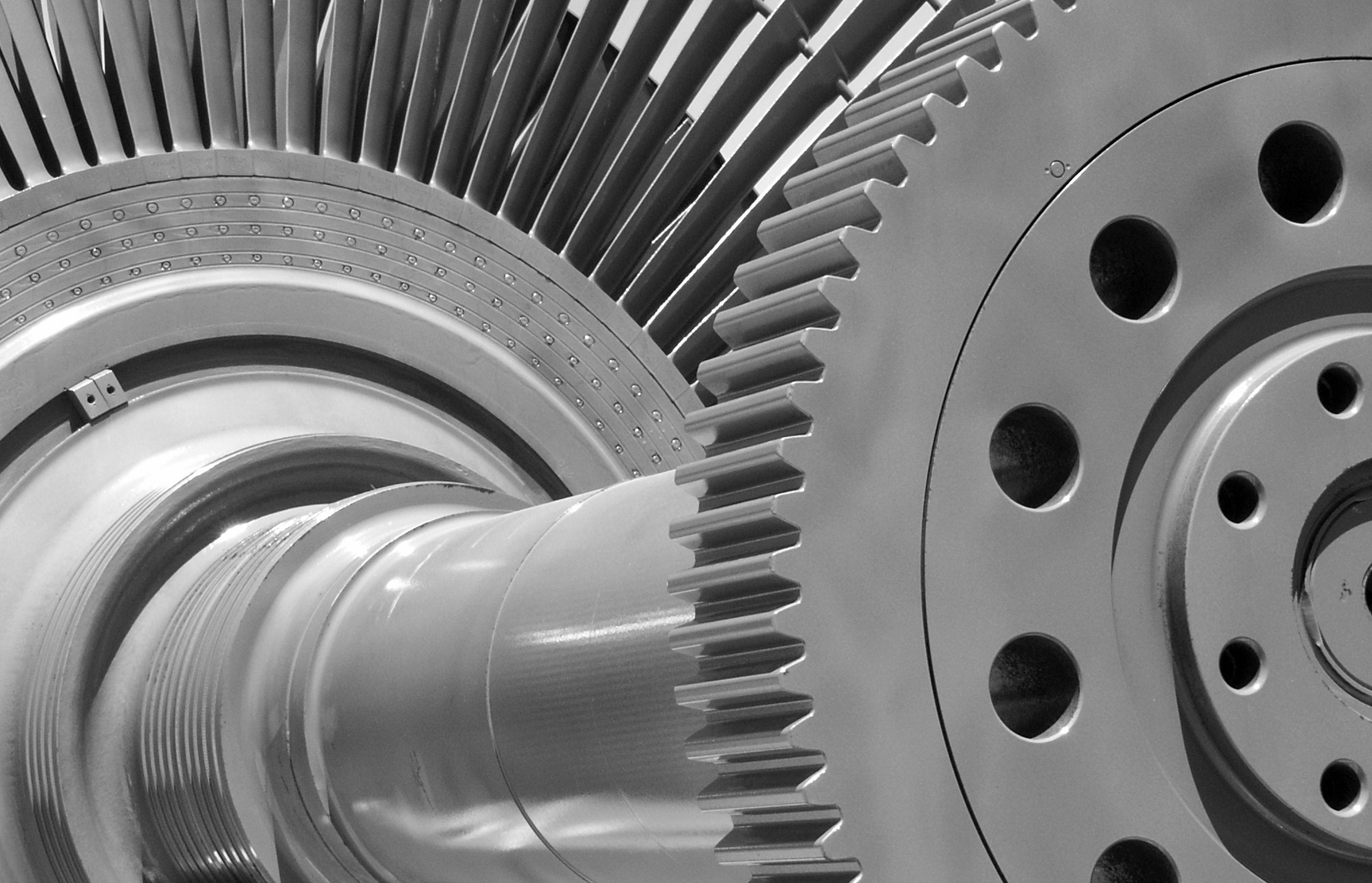
  • Wind turbines, gearboxes and transmissions monitoring and maintenance
  • Electric power generators maintenance
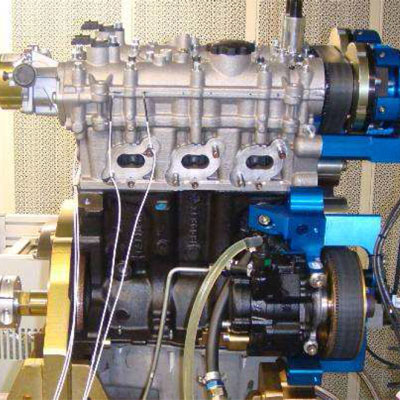
  • Engine service belt drive (alternators, compressors, pumps) R&D
  • Aircraft propellers engines and transmissions R&D
  • Industrial drive train tests, monitoring, maintenance and noise diagnostics


OROS Software
Designed for your Application

Contact us Jobs Press Legal Notices Sitemap Pamplemousse.com